


- Accueil
- >
- >
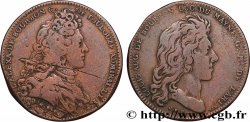
E-auction 117-63152 - fjt_228802 - LANGUEDOC TOWNS AND GENTRY Manufacture de Saptes n.d.
Devi Sign-in ed essere un offerente approvato fare un'offerta, Login per fare offerte. Conti sono soggetti ad approvazione e di approvazione sono raggiunti entro 48 ore. Non aspettare fino al giorno di una vendita si chiude per registrarti.Confermando la tua offerta su questo oggetto ti impegni ad un contratto legalmente vincolante per l'acquisto di questo prodotto e fare clic su «offerta» costituisce accettazione dei termini di utilizzo de e-auctions cgb.fr.
Offerta deve essere collocato in euro gli importi interi vendita only.The si chiuderà al momento sulla descrizione dell'oggetto, eventuali offerte pervenute al sito dopo l'orario di chiusura non verranno eseguite. Volte transmition possono variare e le offerte potrebbero essere respinto se si attende per gli ultimi secondi. Per ulteriori informazioni ckeck le FAQ.
SENZA COSTI PER GLI ACQUIRENTI.
SENZA COSTI PER GLI ACQUIRENTI.
| Valutazione : | 120 € |
| Prezzo : | 27 € |
| Offerta maxima : | 35 € |
| Data di fine vendita : | 13 luglio 2015 18:33:00 |
| partecipanti : | 6 partecipanti |
Tipo : Manufacture de Saptes
Data: n.d.
Metallo : rame rosso
Diametro : 20 mm
Asse di coniazione : 6 h.
Orlo : lisse
Grado di rarità : R2
N° nelle opere di riferimento :
Diritto
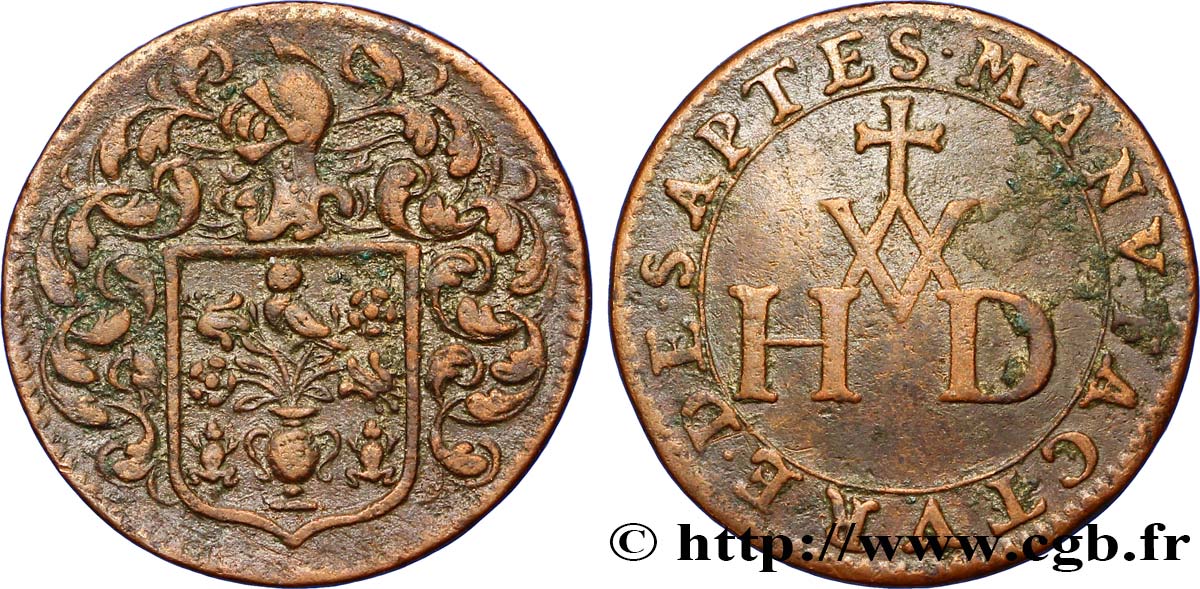
Descrittivo diritto : Armes de la fabrique de Saptes.
Rovescio
Titolatura rovescio : MANVFACTVRE. DE. SAPTES..
Descrittivo rovescio : Croix sous un monogramme, en-dessous HD.
Commento
Excellent article de la dépèche du Midi en ligne à http://www.ladepeche.fr/article/2004/08/16/245090-1699-decadence-de-la-manufacture-des-Saptes.html
1699, décadence de la manufacture des Saptes à CONQUES - sur -Orbiel
Comme nous vous l'avons évoqué lors d'une précédente édition, l'entreprise de draps devient manufacture royale en septembre 1666 et en 1689, 200 ouvriers y travaillent.
Le renom des draps des Saptes était mondialement reconnu. Mais voilà, à la mort du directeur Noël de Varennes, en 1699, le travail cessa presque complètement à la manufacture. Pourtant, en 1700, le roi désirait la rétablir.
Les États de la Province en passèrent le bail (pour vingt ans) aux sieurs Fraissé, Samary, Boucard et compagnie. Le travail reprit alors mais avec moins d'intensité qu'auparavant. La protection accordée par le gouvernement à l'industrie drapière avait été la cause de la multiplication des manufactures. Cette concurrence devint néfaste. En 1730, l'administration des États se détermina à adopter un projet de réglementation (réduction des gratifications, rentabilité, etc.).
La maison Fraissé fut signalée comme l'une des meilleures. Les draps reprirent à nouveau leur vraie valeur, s'exportant alors en Turquie, Grèce, Égypte, Indes Orientales.
Entre-temps, Castanier d'Auriac avait pris la direction pour la léguer, en 1749, à la marquise de Poulpry, sa nièce.
La fabrication baissait alors sensiblement. Vers le milieu du XVIIIe siècle, de nouvelles idées concernant l'administration et l'économie politique renversèrent tous les principes établis. Les draps conquois perdaient alors de leur grandeur et les marchés devinrent rares.
En 1780, lorsque le docteur Sabatier devient propriétaire de la manufacture, quasiment tout le travail avait cessé aux Saptes. À la Révolution, la fabrication n'existait plus.
En 2004, seules les vieilles pierres se souviennent encore de ce fastueux passé.
Ne pas manquer cet autre article http://conquessurorbiel.blogs.lindependant.com/archive/2009/09/13/la-manufacture-des-saptes-devient-un-simple-domaine.html.
Excellent article from the Midi Dispatch online at http://www. ladepeche. fr/article/2004/08/16/245090-1699-decadence-de-la-manufacture-des-Saptes. html 1699, decline of the Saptes factory in CONQUES-sur-Orbiel As we mentioned in a previous edition, the cloth company became a royal factory in September 1666 and in 1689, 200 workers worked there.
The fame of the Saptes cloths was world-renowned. But then, with the death of the director Noël de Varennes in 1699, work ceased almost completely at the factory.. However, in 1700, the king wanted to reinstate it.
The States of the Province granted the lease (for twenty years) to Messrs. Fraisse, Samary, Boucard and company.. Work then resumed but with less intensity than before.. The protection granted by the government to the drapery industry had been the cause of the multiplication of manufactures. This competition became harmful. In 1730, the State administration decided to adopt a regulatory project (reduction of gratuities, profitability, etc.). ).
The Fraissé house was noted as one of the best. The sheets regained their true value, being exported to Türkiye, Greece, Egypt, and the East Indies..
In the meantime, Castanier d'Auriac had taken over the management and bequeathed it, in 1749, to the Marquise de Poulpry, his niece..
Production then declined significantly.. Towards the middle of the 18th century, new ideas concerning administration and political economy overturned all established principles. The cloths of Conques then lost their grandeur and markets became rare..
In 1780, when Doctor Sabatier became the owner of the factory, almost all work had ceased at Les Saptes.. At the time of the Revolution, manufacturing no longer existed.
In 2004, only the old stones still remember this sumptuous past..
Don't miss this other article http://conquessurorbiel. blogs. independent. com/archive/2009/09/13/la-manufacture-des-saptes-devient-un-simple-domaine. html
1699, décadence de la manufacture des Saptes à CONQUES - sur -Orbiel
Comme nous vous l'avons évoqué lors d'une précédente édition, l'entreprise de draps devient manufacture royale en septembre 1666 et en 1689, 200 ouvriers y travaillent.
Le renom des draps des Saptes était mondialement reconnu. Mais voilà, à la mort du directeur Noël de Varennes, en 1699, le travail cessa presque complètement à la manufacture. Pourtant, en 1700, le roi désirait la rétablir.
Les États de la Province en passèrent le bail (pour vingt ans) aux sieurs Fraissé, Samary, Boucard et compagnie. Le travail reprit alors mais avec moins d'intensité qu'auparavant. La protection accordée par le gouvernement à l'industrie drapière avait été la cause de la multiplication des manufactures. Cette concurrence devint néfaste. En 1730, l'administration des États se détermina à adopter un projet de réglementation (réduction des gratifications, rentabilité, etc.).
La maison Fraissé fut signalée comme l'une des meilleures. Les draps reprirent à nouveau leur vraie valeur, s'exportant alors en Turquie, Grèce, Égypte, Indes Orientales.
Entre-temps, Castanier d'Auriac avait pris la direction pour la léguer, en 1749, à la marquise de Poulpry, sa nièce.
La fabrication baissait alors sensiblement. Vers le milieu du XVIIIe siècle, de nouvelles idées concernant l'administration et l'économie politique renversèrent tous les principes établis. Les draps conquois perdaient alors de leur grandeur et les marchés devinrent rares.
En 1780, lorsque le docteur Sabatier devient propriétaire de la manufacture, quasiment tout le travail avait cessé aux Saptes. À la Révolution, la fabrication n'existait plus.
En 2004, seules les vieilles pierres se souviennent encore de ce fastueux passé.
Ne pas manquer cet autre article http://conquessurorbiel.blogs.lindependant.com/archive/2009/09/13/la-manufacture-des-saptes-devient-un-simple-domaine.html.
Excellent article from the Midi Dispatch online at http://www. ladepeche. fr/article/2004/08/16/245090-1699-decadence-de-la-manufacture-des-Saptes. html 1699, decline of the Saptes factory in CONQUES-sur-Orbiel As we mentioned in a previous edition, the cloth company became a royal factory in September 1666 and in 1689, 200 workers worked there.
The fame of the Saptes cloths was world-renowned. But then, with the death of the director Noël de Varennes in 1699, work ceased almost completely at the factory.. However, in 1700, the king wanted to reinstate it.
The States of the Province granted the lease (for twenty years) to Messrs. Fraisse, Samary, Boucard and company.. Work then resumed but with less intensity than before.. The protection granted by the government to the drapery industry had been the cause of the multiplication of manufactures. This competition became harmful. In 1730, the State administration decided to adopt a regulatory project (reduction of gratuities, profitability, etc.). ).
The Fraissé house was noted as one of the best. The sheets regained their true value, being exported to Türkiye, Greece, Egypt, and the East Indies..
In the meantime, Castanier d'Auriac had taken over the management and bequeathed it, in 1749, to the Marquise de Poulpry, his niece..
Production then declined significantly.. Towards the middle of the 18th century, new ideas concerning administration and political economy overturned all established principles. The cloths of Conques then lost their grandeur and markets became rare..
In 1780, when Doctor Sabatier became the owner of the factory, almost all work had ceased at Les Saptes.. At the time of the Revolution, manufacturing no longer existed.
In 2004, only the old stones still remember this sumptuous past..
Don't miss this other article http://conquessurorbiel. blogs. independent. com/archive/2009/09/13/la-manufacture-des-saptes-devient-un-simple-domaine. html
Cronistoria
LANGUEDOC TOWNS AND GENTRY
 Segnalare un errore
 Stampate la pagina
 Condividi mia selezione
 Fai una domanda
 Consegnare / vendere
Articoli correlati
 Descrittivo

Articoli visualizzati di recente
1000 Francs DÉESSE DÉMÉTER FRANCIA 1943 F.40.28 BB
23.00 €

GALLIA - AULERCI EBUROVICES (Regione d'Evreux) Bronze DVNICCOS au sanglier devan
21.00 €
CARIA - ISOLA DI CARIA - RHODOS Hemidrachme q.SPL/BB
105.00 €

SAN MARINO Blister BU 2 Euro CARAVAGE 2021 BU
57.00 €
cgbfr.it numismatica


