


fjt_1017946 - FRANC-MAÇONNERIE - PARIS BONAPARTE 1852

non disponibile.
Articolo venduto sul nostro negozio (2025)
Prezzo : 170.00 €
Articolo venduto sul nostro negozio (2025)
Prezzo : 170.00 €
Tipo : BONAPARTE
Data: 1852
Metallo : rame dorato
Diametro : 33 mm
Asse di coniazione : 12 h.
Peso : 11,52 g.
Orlo : lisse
Marchio : sans poinçon
Commenti sullo stato di conservazione:
Patine hétérogène avec des traces de rayures et points d’oxydation. Joli brillant de frappe encore visible
N° nelle opere di riferimento :
Diritto
Titolatura diritto : (RECTANGLE REPRÉSENTANT UN PLAN SIMPLIFIÉ D’UNE LOGE) BONAPARTE / FONDEE EN 5852.
Descrittivo diritto : Abeille.
Rovescio
Titolatura rovescio : JETON DE PRESENCE ***.
Descrittivo rovescio : Equerre et compas entrecroisés et entrelacés avec une couronne d’acacia, autour d’un G.
Commento
Loge de la famille impériale comptant 160 membres regroupant alors Jérôme Napoléon Bonaparte, Charles Bonaparte mais aussi les rois de Danemark et de Suède ainsi que des diplomates du monde entier. Marc Labouret nous indique que la loge repasse à 65 membres en 1862 et devient la loge de la France maçonnique. Puis s’éteindra en 1871. Marc Labouret précise à juste titre que sous la première phase du Second Empire, la Franc-maçonnerie est contrainte à la soumission, c’est la raison pour laquelle de nombreuses loges fermes. Dès 1860, les loges républicaines fleurissent à nouveau.
Lodge of the imperial family with 160 members, including Jérôme Napoléon Bonaparte, Charles Bonaparte, but also the kings of Denmark and Sweden, as well as diplomats from around the world. Marc Labouret tells us that the lodge returned to 65 members in 1862 and became the lodge of Masonic France. Then it died out in 1871. Marc Labouret rightly points out that during the first phase of the Second Empire, Freemasonry was forced into submission, which is why many lodges closed. From 1860, republican lodges flourished again.
Lodge of the imperial family with 160 members, including Jérôme Napoléon Bonaparte, Charles Bonaparte, but also the kings of Denmark and Sweden, as well as diplomats from around the world. Marc Labouret tells us that the lodge returned to 65 members in 1862 and became the lodge of Masonic France. Then it died out in 1871. Marc Labouret rightly points out that during the first phase of the Second Empire, Freemasonry was forced into submission, which is why many lodges closed. From 1860, republican lodges flourished again.
Cronistoria
FRANC-MAÇONNERIE - PARIS
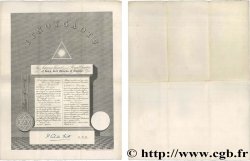
Il compasso e la squadra sono molto spesso associati in un simbolo ambivalente di equilibrio: fissità e mobilità, passivo e attivo, materia e spirito.. La bussola è lo strumento del Creatore e del grande Architetto dell'Universo. La spaziatura dei rami del compasso obbedisce a precise regole e varia secondo i tre gradi: apprendista, compagno, maestro. L'epoca napoleonica, nell'attività delle logge come in quella di tanti gruppi, vide una fioritura dopo gli anni terribili del periodo rivoluzionario. L'attività massonica, liberata dalle sue teorie repubblicane e saldamente controllata da un Gran Maestro nominato dall'Imperatore, conobbe un vigore nell'unità mai ritrovato da allora.. Si ritiene che ogni reggimento, ogni guarnigione, ogni città avesse la sua Loggia. Le testimonianze che ci lasciano i sontuosi segni dell'epoca dimostrano che queste logge erano ricche e influenti.. Il simbolismo è ricercato, senza paragone con le epoche successive, che erano molto più convenzionali, persino blande o indigenti all'inizio del XX secolo.. La Massoneria contava più di mille logge distribuite in centotrenta dipartimenti e più di sessantamila Fratelli.
 Segnalare un errore
 Stampate la pagina
 Condividi mia selezione
 Fai una domanda
 Consegnare / vendere
Articoli correlati
 Descrittivo


Articoli visualizzati di recente
5 Rand SUDAFRICA 1975 P.111c BB
8.00 €
IONIA - MILETUS Tartemorion BB
95.00 €
LOTTE Lots de 5 monnaies lotto
26.00 €
CLAUDIO II IL GOTICO Antoninien BB/q.BB
12.00 €
1 centime Daniel-Dupuis 1900 F.105/4 SPL58
280.00 €

ROMANIA Médaille, Stephane Lupasco SPL
140.00 €
cgbfr.it numismatica


