


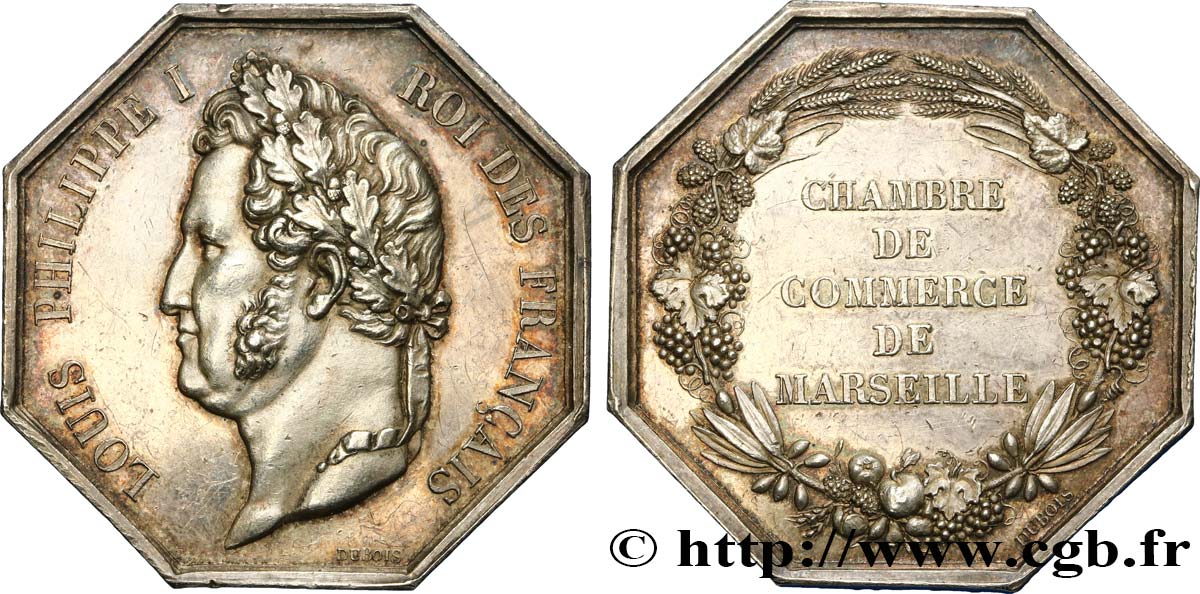
E-auction 208-135783 - fjt_081422 - CHAMBRES DE COMMERCE Chambre de commerce de Marseille (Louis-Philippe) n.d.
Devi Sign-in ed essere un offerente approvato fare un'offerta, Login per fare offerte. Conti sono soggetti ad approvazione e di approvazione sono raggiunti entro 48 ore. Non aspettare fino al giorno di una vendita si chiude per registrarti.Confermando la tua offerta su questo oggetto ti impegni ad un contratto legalmente vincolante per l'acquisto di questo prodotto e fare clic su «offerta» costituisce accettazione dei termini di utilizzo de e-auctions cgb.fr.
Offerta deve essere collocato in euro gli importi interi vendita only.The si chiuderà al momento sulla descrizione dell'oggetto, eventuali offerte pervenute al sito dopo l'orario di chiusura non verranno eseguite. Volte transmition possono variare e le offerte potrebbero essere respinto se si attende per gli ultimi secondi. Per ulteriori informazioni ckeck le FAQ.
SENZA COSTI PER GLI ACQUIRENTI.
SENZA COSTI PER GLI ACQUIRENTI.
| Valutazione : | 75 € |
| Prezzo : | 36 € |
| Offerta maxima : | 45 € |
| Data di fine vendita : | 10 aprile 2017 17:44:00 |
| partecipanti : | 2 partecipanti |
Tipo : Chambre de commerce de Marseille (Louis-Philippe)
Data: (1842-1845)
Data: n.d.
Metallo : argento
Diametro : 34,5 mm
Asse di coniazione : 12 h.
Orlo : lisse
Marchio : Proue ARGENT
Commenti sullo stato di conservazione:
Exemplaire superbe
Diritto
Titolatura diritto : LOUIS PHILIPPE I - ROI DES FRANÇAIS.
Descrittivo diritto : Tête à gauche de Louis-Philippe Ier, une couronne de chêne dans les cheveux ; au-dessous signature DUBOIS.
Rovescio
Descrittivo rovescio : Couronne composite, inscription au centre en cinq lignes : CHAMBRE/ DE/ COMMERCE/ DE/ MARSEILLE ; signature DUBOIS.
Commento
La première chambre de commerce fut celle de Marseille créée à la fin du XVIe siècle. Pour Paris, les six corps des marchands et les juges-consuls avaient un rôle similaire à celui d'une chambre de commerce : une association de commerçants réunis pour délibérer sur les intérêts de leur ville ou de leur région et donner leur avis au gouvernement. Colbert les légalise en 1664 en instaurant que chaque place de commerce choisira deux d'entre eux pour les représenter. L'institution ne fut toutefois établie réellement que par l'arrêt du Conseil du 30 août 1701 et de nombreuses chambres de commerce apparaissent au XVIIIe siècle à Lyon, Rouen, Toulouse, Montpellier, Bordeaux, etc.. La plus importante d'entre elles est Marseille qui avait des attributions dans tout le commerce du Levant et était du département des Affaires étrangères, les autres relevaient du Contrôle général des Finances. Supprimées par la Constituante en 1791, les chambres de commerce sont rétablies sous le Consulat. Depuis 1832, leur recrutement se fait par élections, elles sont devenues chambres de commerce et d'industrie depuis 1898, regroupées en 21 chambres régionales.
The first chamber of commerce was that of Marseille, created at the end of the 16th century. For Paris, the six merchant corps and the consul judges had a role similar to that of a chamber of commerce: an association of merchants gathered to deliberate on the interests of their city or region and give their opinion to the government. Colbert legalized them in 1664 by establishing that each trading place would choose two of their number to represent them. However, the institution was not truly established until the Council decree of August 30, 1701, and numerous chambers of commerce appeared in the 18th century in Lyon, Rouen, Toulouse, Montpellier, Bordeaux, etc. The most important of these was Marseille, which had responsibilities in all trade in the Levant and was part of the Department of Foreign Affairs; the others came under the General Control of Finance. Suppressed by the Constituent Assembly in 1791, the chambers of commerce were reestablished under the Consulate. Since 1832, their recruitment has been done by elections, they have become chambers of commerce and industry since 1898, grouped into 21 regional chambers
The first chamber of commerce was that of Marseille, created at the end of the 16th century. For Paris, the six merchant corps and the consul judges had a role similar to that of a chamber of commerce: an association of merchants gathered to deliberate on the interests of their city or region and give their opinion to the government. Colbert legalized them in 1664 by establishing that each trading place would choose two of their number to represent them. However, the institution was not truly established until the Council decree of August 30, 1701, and numerous chambers of commerce appeared in the 18th century in Lyon, Rouen, Toulouse, Montpellier, Bordeaux, etc. The most important of these was Marseille, which had responsibilities in all trade in the Levant and was part of the Department of Foreign Affairs; the others came under the General Control of Finance. Suppressed by the Constituent Assembly in 1791, the chambers of commerce were reestablished under the Consulate. Since 1832, their recruitment has been done by elections, they have become chambers of commerce and industry since 1898, grouped into 21 regional chambers
Cronistoria
CHAMBRES DE COMMERCE
La prima camera di commercio fu quella di Marsiglia, creata alla fine del XVI secolo. Per Parigi, i sei corpi dei mercanti ei giudici-consoli avevano un ruolo simile a quello di una camera di commercio: un'associazione di mercanti riuniti per deliberare sugli interessi della propria città o regione e per esprimere il proprio parere al governo. Colbert li legalizza nel 1664 stabilendo che ogni luogo di commercio ne scelga due per rappresentarli. Tuttavia, l'istituzione non fu realmente istituita fino alla decisione del Consiglio del 30 agosto 1701 e molte camere di commercio apparvero nel XVIII secolo a Lione, Rouen, Tolosa, Montpellier, Bordeaux, ecc. La più importante di esse è Marsiglia che aveva attribuzioni in tutto il commercio di Levante ed era del dipartimento degli Affari Esteri, gli altri riguardavano il controllo generale delle finanze. Soppresse dalla Costituente nel 1791, le Camere di Commercio furono ristabilite sotto il Consolato. Dal 1832 il loro reclutamento avviene per elezioni, dal 1898 sono camere di commercio e industria, raggruppate in 21 camere regionali.
 Segnalare un errore
 Stampate la pagina
 Condividi mia selezione
 Fai una domanda
 Consegnare / vendere
Articoli correlati

 Descrittivo

Articoli visualizzati di recente

10 Shillings IRLANDA 1968 P.063a q.FDC
100.00 €

LICINIO I PADRE Follis ou nummus q.BB/BB
30.00 €

ARDENNES - PRINCIPAUTÉ DE CHÂTEAU-REGNAULT - FRANÇOIS DE BOURBON-CONTI Liard
85.00 €
cgbfr.it numismatica


