


Precedente 1/1
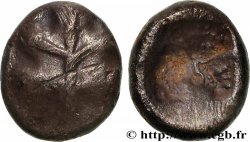
v34_0223 - CARIA - ISOLA DI CARIA - CAMIRUS Statère

MONNAIES 34 (2008)
Prezzo di inizio : 460.00 €
Valutazione : 750.00 €
Prezzo realizzato : 730.00 €
Numero di offerte : 4
Offerta maxima : 800.00 €
Prezzo di inizio : 460.00 €
Valutazione : 750.00 €
Prezzo realizzato : 730.00 €
Numero di offerte : 4
Offerta maxima : 800.00 €
Tipo : Statère
Data: c. 500-480 AC.
Nome della officina / città: Camiros
Metallo : argento
Diametro : 21 mm
Peso : 11,01 g.
Grado di rarità : R3
Commenti sullo stato di conservazione:
Exemplaire parfaitement centré des deux côtés dans le plus pur style archaïque
N° nelle opere di riferimento :
Diritto
Titolatura diritto : ANÉPIGRAPHE.
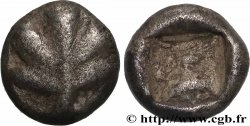
Descrittivo diritto : Feuille de figuier à cinq lobes vue de face.
Rovescio
Titolatura rovescio : ANÉPIGRAPHE.
Descrittivo rovescio : Rectangle creux oblong divisé en deux compartiments segmentés.
Commento
Poids léger. La plupart des exemplaires recensés aujourd’hui proviennent de l’immense trouvaille d’Elmali trouvé en Lycie (Turquie) en 1984 (CH. VIII, n° 48) et qui contenait 1.900 monnaies d’argent archaïques dont 289 statères de Camirus pratiquement toutes de mêmes coins. Ce trésor enfoui vers 460 avant J.-C. a permis de descendre la chronologie de ces émissions de la deuxième moitié du VIe siècle avant J.-C. à une période comprise entre 500 et 480 avant J.-C..
Light weight. Most of the examples recorded today come from the immense find of Elmali found in Lycia (Turkey) in 1984 (CH. VIII, no. 48) and which contained 1,900 archaic silver coins including 289 staters of Camirus practically all with the same dies. This treasure buried around 460 BC has made it possible to lower the chronology of these issues from the second half of the 6th century BC to a period between 500 and 480 BC.
Light weight. Most of the examples recorded today come from the immense find of Elmali found in Lycia (Turkey) in 1984 (CH. VIII, no. 48) and which contained 1,900 archaic silver coins including 289 staters of Camirus practically all with the same dies. This treasure buried around 460 BC has made it possible to lower the chronology of these issues from the second half of the 6th century BC to a period between 500 and 480 BC.
Cronistoria
CARIA - ISOLA DI CARIA - CAMIRUS
(VI-V secolo a.C.)
Camirus si trovava sulla costa occidentale dell'isola di Rodi. Era la città più importante tra le città dell'isola con Ialysus e Lindus. La città mantenne buoni rapporti con i suoi vicini, la prova con una monetazione arcaica di elettro e mostra la vitalità del commercio con le città ioniche delle coste dell'Asia occidentale. Camiro commerciava certamente anche con Creta, le isole dell'Egeo e il Peloponneso, da qui la scelta dello stendardo eginetico per queste monete d'argento..
 Segnalare un errore
 Stampate la pagina
 Condividi mia selezione
 Fai una domanda
 Consegnare / vendere
Articoli correlati
 Descrittivo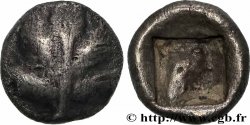



Articoli visualizzati di recente
10 Lira TURCHIA 1948 P.148a q.SPL
135.00 €
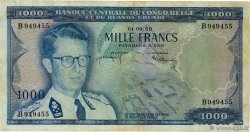
1000 Francs CONGO BELGA 1959 P.35 BB
105.00 €
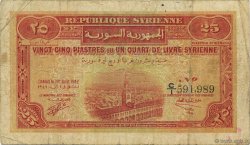
25 Piastres SIRIA 1942 P.051 MB
15.00 €
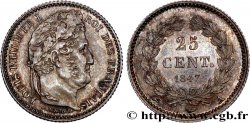
25 centimes Louis-Philippe 1847 Paris F.167/9 SPL+
80.00 €
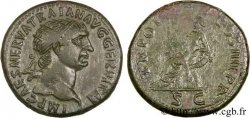
TRAIANO Dupondius, (MB, Æ 28) q.SPL/BB
195.00 €

ARABO-SASSANIDO - TABARISTAN - GOVERNATORE ARABI Hemidrachme BB
57.00 €
cgbfr.it numismatica


