


fme_460731 - ANIMALS Médaille animalière - Lynx Caracal

non disponibile.
Articolo venduto sul nostro negozio (2018)
Prezzo : 150.00 €
Articolo venduto sul nostro negozio (2018)
Prezzo : 150.00 €
Tipo : Médaille animalière - Lynx Caracal
Data: 1980
Nome della officina / città: France
Metallo : rame
Diametro : 76 mm
Incisore HUSSET Henri Robert (1907-)
Peso : 220,80 g.
Orlo : lisse + corne CU 1980 N° 4/100
Commenti sullo stato di conservazione:
Médaille en état neuf, avec une belle patine brune et brillante
N° nelle opere di riferimento :
Diritto
Titolatura diritto : ANÉPIGRAPHE.
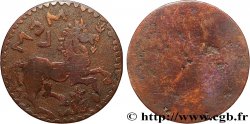
Descrittivo diritto : Tête de Lynx Caracal de face, la gueule ouverte, sur la défensive.
Rovescio
Titolatura rovescio : LE LYNX CARACALE.
Descrittivo rovescio : Lynx Caracal à gauche.
Commento
Henri Robert Husset est né en 1907 ; c’est un fameux sculpteur animalier.
Le Caracal (Caracal caracal), ou lynx du désert ou lynx de Perse, est un félin du genre Caracal largement répandu en Afrique et en Asie depuis le Moyen-Orient jusqu'au sous-continent indien. En 2008, le caracal était classé en catégorie préoccupation mineure sur la liste rouge de l'UICN en raison de sa présence relativement commune notamment en Afrique australe et en Afrique de l'Est. Le caracal est néanmoins considéré comme menacé en Afrique du Nord et rare en Asie centrale et en Inde.
Le caracal possède de longs pinceaux de poils noirs caractéristiques à l'extrémité des oreilles. Il est également connu pour les bonds pouvant atteindre 3 mètres qu'il est capable d'effectuer pour attraper des oiseaux en vol..
Henri Robert Husset was born in 1907; he is a famous animal sculptor. The Caracal (Caracal caracal), or desert lynx or Persian lynx, is a feline of the genus Caracal widely distributed in Africa and Asia from the Middle East to the Indian subcontinent. In 2008, the caracal was classified as Least Concern on the IUCN Red List due to its relatively common occurrence, particularly in southern and East Africa. The caracal is nevertheless considered threatened in North Africa and rare in Central Asia and India. The caracal has characteristic long brushes of black hair at the tips of its ears. It is also known for the leaps of up to 3 meters that it is capable of making to catch birds in flight.
Le Caracal (Caracal caracal), ou lynx du désert ou lynx de Perse, est un félin du genre Caracal largement répandu en Afrique et en Asie depuis le Moyen-Orient jusqu'au sous-continent indien. En 2008, le caracal était classé en catégorie préoccupation mineure sur la liste rouge de l'UICN en raison de sa présence relativement commune notamment en Afrique australe et en Afrique de l'Est. Le caracal est néanmoins considéré comme menacé en Afrique du Nord et rare en Asie centrale et en Inde.
Le caracal possède de longs pinceaux de poils noirs caractéristiques à l'extrémité des oreilles. Il est également connu pour les bonds pouvant atteindre 3 mètres qu'il est capable d'effectuer pour attraper des oiseaux en vol..
Henri Robert Husset was born in 1907; he is a famous animal sculptor. The Caracal (Caracal caracal), or desert lynx or Persian lynx, is a feline of the genus Caracal widely distributed in Africa and Asia from the Middle East to the Indian subcontinent. In 2008, the caracal was classified as Least Concern on the IUCN Red List due to its relatively common occurrence, particularly in southern and East Africa. The caracal is nevertheless considered threatened in North Africa and rare in Central Asia and India. The caracal has characteristic long brushes of black hair at the tips of its ears. It is also known for the leaps of up to 3 meters that it is capable of making to catch birds in flight.
Cronistoria
ANIMALS
Gli animali (Animalia) (dal latino animalis "animato, vivente, animale") sono in biologia, secondo la classificazione classica, esseri viventi eterotrofi (cioè che si nutrono di sostanze organiche) e possiedono collagene nelle loro matrici extracellulari. Vedi Wikipedia.
 Segnalare un errore
 Stampate la pagina
 Condividi mia selezione
 Fai una domanda
 Consegnare / vendere
Articoli correlati

 Descrittivo


cgbfr.it numismatica


